
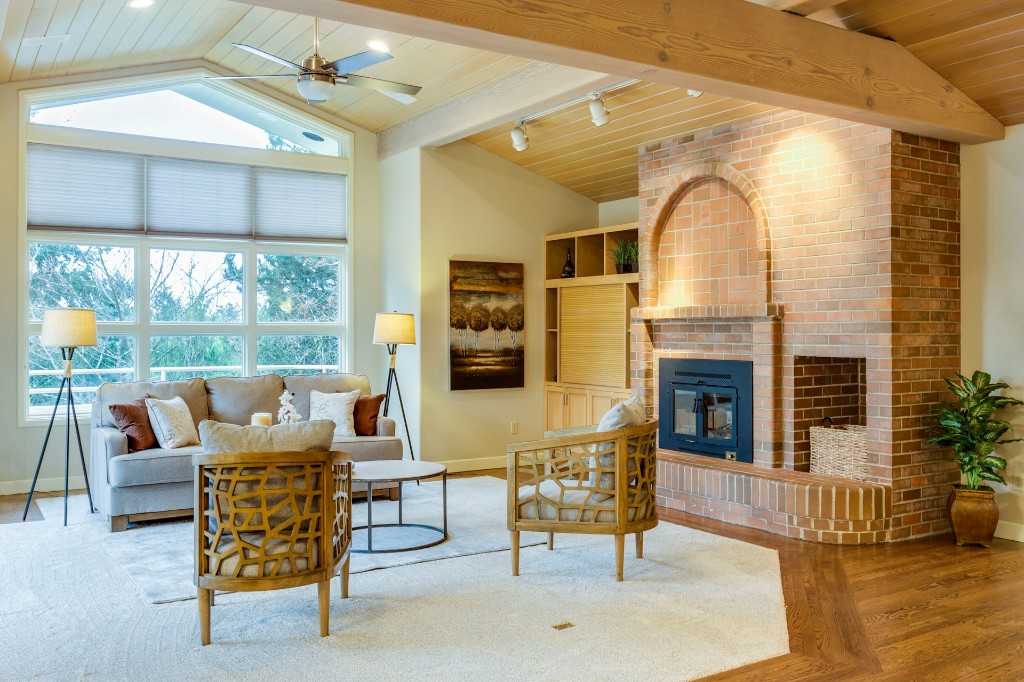
Every year, falls are the leading cause of injuries among people aged 65 and over, according to Health Canada. A familiar environment can quickly become a source of danger as someone ages. Knowing how to adapt a home for an older adult is therefore a crucial step to ensure safety and well-being. Fortunately, many solutions exist to transform a home into a safer living environment that supports aging in place.
This practical guide explains how to identify risk areas and apply concrete solutions, room by room. The goal is to provide clear guidance so you can make informed decisions without turning the home into a medicalized setting. Every adaptation, even a simple one, is one more step toward peace of mind for you and your loved one.
Why adapt a home for an older adult
The main reason to adapt an older adult’s home is accident prevention. Priorities include bathroom safety, securing circulation areas, improving lighting, and using mobility-adapted equipment. A properly adapted home helps preserve autonomy and dignity by giving the person confidence to carry out daily activities safely.
Home adaptation means adjusting the environment to reduce fall risk, make movement easier, and preserve independence. It is an essential investment to support aging in place for as long as possible, with comfort and respect for daily habits.
Adapting the bathroom for seniors
The bathroom is one of the most dangerous rooms because of slippery surfaces. To adapt a bathroom for seniors, it is essential to focus on slip prevention and ease of access. A well-designed senior bathroom setup can significantly reduce risk, improve safety, and restore confidence.
Install grab bars and essential equipment
Installing wall-mounted grab bars is the first step. Place them strategically near the shower, bathtub, and toilet. A shower seat allows washing in a seated position, reducing fatigue. Also consider a raised toilet seat with armrests and non-slip mats. These recommendations are based on recognized best practices in home ergonomics and fall prevention.
Replace the bathtub with an accessible shower
If budget allows, replacing a bathtub with a walk-in shower (no threshold) is an excellent decision for a home adapted to mobility loss. This removes the need to step over a high edge. Choose a wide shower door and a handheld showerhead for greater flexibility.
To explore support options that complement these adaptations, you can review home support services for older adults.
Securing stairs, hallways, and entrances
Stairs and hallways are high-risk areas for falls. To reduce fall risk for an older adult, it is essential to secure these circulation zones. Sturdy handrails installed on both sides of the staircase provide continuous, essential support.
At entrances, an access ramp can make a major difference. Indoors, keep walkways clear at all times. Remove slippery rugs and secure electrical cords along walls. Adding visual contrast strips on stair edges improves distance perception and safety.
| Risk zone | Main risk | Key home adaptation |
|---|---|---|
| Stairs | Serious falls | Handrails on both sides + visual contrast |
| Bathroom | Slips | Wall grab bars + non-slip mats |
| Hallways | Tripping | Clear pathways + automatic lighting |
| Entryways | Threshold obstacles | Ramps + threshold reduction |
| Kitchen | Burns / falls | Accessible storage + non-slip surfaces |
Adapting the bedroom
The bedroom should be a restful and safe space. To adapt the bedroom for someone with loss of autonomy, the objective is to make getting up and going to bed easier. A height-adjustable bed can greatly simplify these movements. The bedside table should be stable and within reach, with a lamp that is easy to switch on.
Automatic night lighting that activates during movement is an excellent investment for home safety. Make sure a phone and alert system are reachable from bed. Finally, keep enough clear space around the bed for smooth movement, even when using mobility aids like a walker.
Improve lighting and reduce fall risk
Good visibility is fundamental. To improve lighting for seniors, prioritize automatic solutions. Installing motion-sensor lighting in hallways, bathrooms, and stairways is highly effective.
Replace traditional switches with rocker switches and place night lights in living and transition areas. Rugs are a critical issue: remove unsafe rugs that are not fixed to the floor. If you keep rugs, ensure they have non-slip backing and lie perfectly flat.
Here are immediate actions to reduce fall risk:
- Remove all loose rugs.
- Install night lights in every transition area.
- Secure electrical cords along baseboards.
- Add contrast strips on stair edges.
- Check the stability of all occasional furniture.
Essential equipment for aging in place
Beyond fixed adaptations, certain aging-in-place equipment is essential to make the home accessible. A walker or cane can provide valuable support. For additional peace of mind, a medical alert system allows someone to call for help quickly.
Depending on needs, a bedside commode may be necessary when toilet access is difficult. In multi-level homes, a stairlift can be an alternative to moving.
In-home accessibility for seniors also depends on small details, such as replacing round doorknobs with lever handles.
In summary: the 4 pillars of a safe home
To adapt an older adult’s home, focus on these four essentials: start by securing the bathroom (grab bars, accessible shower), improve lighting (motion sensors), remove floor-level hazards (rugs, cords), and adapt equipment to mobility (adjustable bed, ramps).
Costs and available support in Quebec
Home adaptation has a cost, but it should be viewed as an investment. Prices range from a few hundred dollars for grab bars to several thousand for a full renovation. It is important to prioritize work according to needs and budget.
In Quebec, several programs can help. The Home Adaptation Program (PAD) from the Societe d’habitation du Quebec is a valuable resource. Tax credits for home accessibility also exist. Do not hesitate to check with the appropriate organizations.
Conclusion
Ultimately, adapting a home for an older adult is a proactive process with direct impact on safety and morale. Every small change, from installing a grab bar to improving lighting, helps create a safer environment. It is a project that requires planning, but offers invaluable peace of mind.
Do not forget to involve your loved one in decisions so they feel respected. To learn more about a human and personalized approach, you can discover our philosophy.
The recommendations in this guide are based on recognized best practices in fall prevention, residential ergonomics, and aging in place. We always recommend a personalized assessment by a healthcare professional, such as an occupational therapist, to adapt solutions to each specific situation.
FAQ
What should I prioritize first when adapting a home?
To adapt a home for an older adult, the short answer is to prioritize safety in high-risk areas. This includes securing the bathroom with grab bars, improving lighting in hallways and stairs, and eliminating tripping hazards such as slippery rugs.
How much can home adaptation cost?
Costs vary significantly, from around $500 for basic aids like grab bars, to more than $15,000 for a full bathroom renovation with an accessible shower. It is recommended to request multiple quotes and check available financial support to reduce cost burden.
Are there financial programs in Quebec?
In Quebec, the Home Adaptation Program (PAD) is the main source of financial support for accessibility work. In addition, tax credits for aging in place and home accessibility may be claimed. Check with Revenu Quebec and the Societe d’habitation du Quebec.
Should I consult an occupational therapist?
Yes, consultation with an occupational therapist is strongly recommended. This healthcare professional can complete a full and personalized assessment of the home and your loved one’s needs, and provide precise, objective recommendations to prioritize the most relevant and effective adaptations.
What is the recommended height for grab bars?
The recommended height for a grab bar is generally between 84 and 91 cm (33 to 36 inches) from the floor, depending on the person’s body type. Installation must always be securely anchored to wall structure, not only drywall.